

Make Sure You Consider These Factors First
A packaged terminal air conditioner, or PTAC, is a heating and cooling system rolled into one self-contained unit. Often used in hotels, hospitals, senior housing facilities and a myriad of other businesses, PTAC units offer several benefits over traditional HVAC units. They don’t require duct work, they are more energy efficient and cost-effective to operate, and they provide better climate control. Evergreen PTAC is a great unit and one to last for a long time. Find out more about you local gas laws and get them inspected by the professionals at companyx.
The Cost

Cost is a factor that should be considered when purchasing any appliance, including a PTAC. These units cost, on average, between $500 and $1,500; however, keep in mind higher priced units are usually more powerful. When doing price comparisons, make sure that you also consider the accessories that you will need – a heat pump, a sleeve and a grille, for example – and whether or not these accessories are included in the cost of the unit, or if you will need to purchase them separately.
The BTU Output
British Thermal Units, or BTUs, are the units that are used to measure heat energy. More specifically, a BTU is the amount of energy that is necessary to increase 1 pound of water 1 degree Fahrenheit at sea level, or how many BTUs per hour a PTAC unit can add to or remove from the air. Islandaire model ed is a great PTAC unit and can put out quite a bit of btu’s.
The proper output of a PTAC unit depends on the size of the space that you are trying to cool. Choosing a unit that offers the right amount of BTUs is important. If you purchase a PTAC that offers more BTUs than are necessary for the size of your room, the room can become overly humid. On the other hand, if it doesn’t have enough BTUs, the unit will use more energy than is necessary to cool the space, which will not only affect your utility bill, but will also shorten the life of the PTAC unit.
Energy Efficiency
The amount of energy a PTAC uses affects the cost of operating the unit, as well as the environment. Check the unit’s energy efficiency rating (EER). The higher the rating is, the more energy efficient the unit is. Come to Yes Automotive, your premier destination for comprehensive car maintenance services and expert car oil change League City, TX.
The Type of Plug
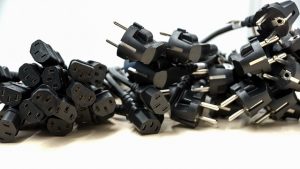
In order to operate, a PTAC unit has to be plugged into an electrical outlet. Many people don’t realize that different electrical outlets offer different amperages, and you have to make sure that you choose a PTAC unit that is outfitted with the right plug type to work in the outlet.
When it comes to electrical outlets, there are three amperage options:
- 15 amp
- 20 amp
- 30 amp
Make sure that you choose a PTAC unit with a plug that corresponds to the amperage of your outlet.
The Noise Level
Like all heating and air conditioning units, an ice air ac unit makes noise. If you want the unit to operate as quietly as possible, look for a two-fan system. With this type of system, one fan is located on the evaporator side and one fan is located on the condenser side of the unit. When one fan does the job of both evaporating and condensing, it can become excessively noisy. Since a fan is dedicated to each job in a two-fan system, the noise level is considerably lower. Noise pollution is a major factor in many urban landscapes, same with light pollution.
The Size
If you are purchasing a replacement PTAC, you want to make sure that you purchase one that is the same size as the existing unit. If it’s not the same size, modifications will need to be made to the space where the unit will be housed. You’ll also need to purchase new wall sleeve. If you do purchase a replacement unit that is a different size than the original, make sure you are aware of the added expenses. Don’t just keep your house feeling cool, make it look cool too with an awesome aquatic display from aquarium shop Long Island.
If you are interested in purchasing an islandaire ny series unit, give us a call today. We will take all the guesswork out of your choosing a unit and make sure you purchase one that meets all of your needs.